Look up at your roof, and you might see more than just shingles. Dark streaks, patches of moss, or a layer of debris can slowly appear over time. Many homeowners overlook these signs because the roof is rarely the first part of the house they inspect. However, the roof constantly faces sun, rain, wind, and airborne debris every day. These conditions allow dirt, algae, and organic growth to accumulate on the surface.
Roof cleaning is an important part of home maintenance that helps preserve the appearance and durability of one of the most important structures of a home.
Understanding Why Roof Cleaning Is Important
The roof serves as the main protective barrier for a home. It shields the structure from weather conditions and helps maintain the interior environment. When roofing materials are clean and well maintained, they perform their protective role more effectively.
Over time, various contaminants can settle on the roof. Dust, leaves, pollen, algae, and moss may build up on the surface. These substances can gradually affect both the appearance and performance of roofing materials.
Dark streaks on roofs are often caused by algae growth. This organism thrives in moist conditions and can spread across the surface of shingles. Moss can also develop in areas that remain damp or shaded.
If left untreated, these growths may trap moisture against the roofing materials. Moisture retention can lead to gradual deterioration of shingles and other roofing components.
Roof cleaning helps remove these contaminants and restore the roof to a healthier condition. Maintaining a clean roof supports the overall longevity of the roofing system and helps protect the home beneath it.
Common Causes of Roof Stains and Debris
Several environmental factors contribute to the accumulation of stains and debris on rooftops. One of the most common sources is airborne particles carried by wind. Dust and dirt settle on the roof surface over time, creating a dull appearance.
Tree leaves and branches are another common cause of buildup. Leaves can accumulate in roof valleys and around gutters, trapping moisture and encouraging organic growth.
Algae growth is a frequent cause of dark streaks on roofs. These streaks often appear on shingles that retain moisture for extended periods. Algae feed on limestone filler found in many roofing materials, allowing them to spread gradually.
Moss and lichen may also develop in damp or shaded areas. Moss grows in thick patches that hold water against the roof surface. Lichen forms a crust-like layer that adheres firmly to roofing materials.
Pollution and environmental residue can also affect roof appearance. In areas with higher levels of airborne particles, rooftops may accumulate additional staining over time.
Understanding these causes helps homeowners recognize why regular roof cleaning is beneficial.
Signs That Your Roof Needs Cleaning
Many homeowners only notice the condition of their roof when visible changes occur. Certain signs indicate that the roof may benefit from cleaning.
Dark streaks or discoloration across shingles are one of the most common indicators. These streaks often develop gradually and become more noticeable over time.
Green patches or thick growth on the roof may signal the presence of moss. Moss often appears in areas that remain shaded or retain moisture after rainfall.
Accumulated debris such as leaves and twigs may also indicate the need for cleaning. This debris can trap moisture and block proper drainage.
Clogged gutters are another sign that the roof may require attention. When debris builds up on the roof, it often washes into gutters and downspouts.
A roof that appears faded or uneven in color may also benefit from cleaning. Removing dirt and organic growth helps restore a more uniform appearance.
By observing these signs, homeowners can take action before buildup begins to affect the condition of the roof.
Methods Used for Roof Cleaning
Roof cleaning involves removing dirt, algae, moss, and debris from the roof surface using safe and effective methods. The specific technique often depends on the type of roofing material and the extent of buildup.
One common method involves applying cleaning solutions that break down organic growth. These solutions are designed to target algae, moss, and other contaminants without damaging the roofing material.
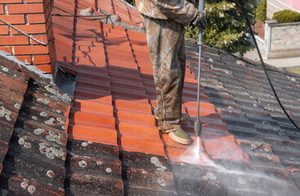
After the solution is applied, the roof may be gently rinsed with water to remove loosened debris. This process helps wash away stains and restore the appearance of the shingles.
Soft washing is another widely used approach. This method uses low-pressure water combined with cleaning solutions to safely remove contaminants. Soft washing is often recommended for delicate roofing materials because it reduces the risk of damage.
Manual removal may also be used for thick moss buildup. This process involves carefully lifting and removing moss from the roof surface.
Each method focuses on protecting the roof while effectively removing contaminants that could affect its longevity.
Benefits of Regular Roof Cleaning
Regular roof cleaning provides several important benefits that extend beyond visual improvement. One of the most noticeable advantages is enhanced curb appeal. A clean roof instantly improves the overall appearance of a home.
Roof cleaning also helps extend the lifespan of roofing materials. Removing algae, moss, and debris prevents these substances from trapping moisture and causing premature deterioration.
Improved energy efficiency is another potential benefit. Dark stains and buildup may absorb heat from sunlight. A clean roof reflects sunlight more effectively, helping maintain stable indoor temperatures.
Cleaning the roof also supports proper drainage. Removing debris ensures that rainwater flows freely into gutters and downspouts rather than pooling on the roof surface.
In addition to protecting the roof itself, regular cleaning helps maintain the value of the property. A well-maintained exterior signals that the home has been cared for properly.
Roof Cleaning and Preventative Maintenance
Roof cleaning is often part of a broader strategy for maintaining the exterior of a home. Preventative maintenance helps reduce the likelihood of larger roofing problems in the future.
Routine inspections allow homeowners to identify areas where debris or organic growth is beginning to accumulate. Addressing these areas early prevents buildup from spreading across the roof.
Keeping nearby trees trimmed can also reduce the amount of debris that lands on the roof. Limiting shade helps prevent moisture from lingering on the surface.
Maintaining gutters is another important step. Clean gutters allow rainwater to flow away from the roof efficiently, preventing moisture buildup along the edges.
Proper attic ventilation also supports roof health. Good airflow helps regulate temperature and moisture levels beneath the roof structure.
Combining roof cleaning with regular maintenance ensures that the roofing system remains strong and effective.
Safety Considerations During Roof Cleaning
Cleaning a roof requires careful attention to safety. Working at elevated heights and handling cleaning equipment can present potential risks.
Roof surfaces may become slippery when wet or when covered with moss or algae. Proper footwear and safety precautions help reduce the risk of slipping.
Ladders and equipment must be positioned securely to ensure stability while accessing the roof. Careful planning helps prevent accidents during the cleaning process.
Using appropriate cleaning solutions is also important. Harsh chemicals may damage roofing materials or surrounding landscaping if not used correctly.
Because of these considerations, many homeowners rely on experienced professionals to handle roof cleaning safely and effectively.
Protecting Your Home with Regular Roof Cleaning
The roof is one of the most important components of a home, yet it is often overlooked when it comes to regular maintenance. Over time, dirt, algae, moss, and debris can accumulate on the roof surface and gradually affect its performance.
Roof cleaning removes these contaminants and helps restore the appearance and durability of roofing materials. By maintaining a clean roof, homeowners can extend the lifespan of their roofing system and protect the structure beneath it.
Regular inspections, preventative maintenance, and safe cleaning methods all contribute to a healthier roof. When cared for properly, a clean roof continues to provide reliable protection and maintain the beauty of a home for many years.